
The AI industry has experienced a significant shift in recent years, moving from a focus on model competition to a focus on infrastructure competition. This change is driven by the increasing complexity of AI systems and the need for more scalable and efficient deployment models. Large-scale AI companies are evolving into infrastructure providers, enterprise advisors, and platform developers, offering a range of services that cater to the specific needs of businesses deploying AI solutions.
The Rise of Infrastructure Competition
Infrastructure competition refers to the increasing focus on providing the underlying infrastructure required for AI deployment, including data storage, processing power, and networking capabilities. This shift is driven by the need for more scalable and efficient deployment models, as well as the growing demand for AI-powered applications across various industries.
One of the key drivers of infrastructure competition is the increasing complexity of AI systems. As AI models become larger and more sophisticated, they require more powerful computing resources to process and analyze vast amounts of data. This has led to a growing demand for specialized hardware and software solutions that can provide the necessary infrastructure for efficient AI deployment.
Another key driver of infrastructure competition is the need for greater transparency and explainability in AI decision-making processes. As AI-powered applications become increasingly integrated into various industries, there is a growing need to understand how these systems make decisions and ensure that they are fair and unbiased.
The Role of Large-Scale AI Companies
Large-scale AI companies are playing a critical role in driving infrastructure competition, offering a range of services that cater to the specific needs of businesses deploying AI solutions. These services include data storage and processing, model training and deployment, and platform development for custom applications.
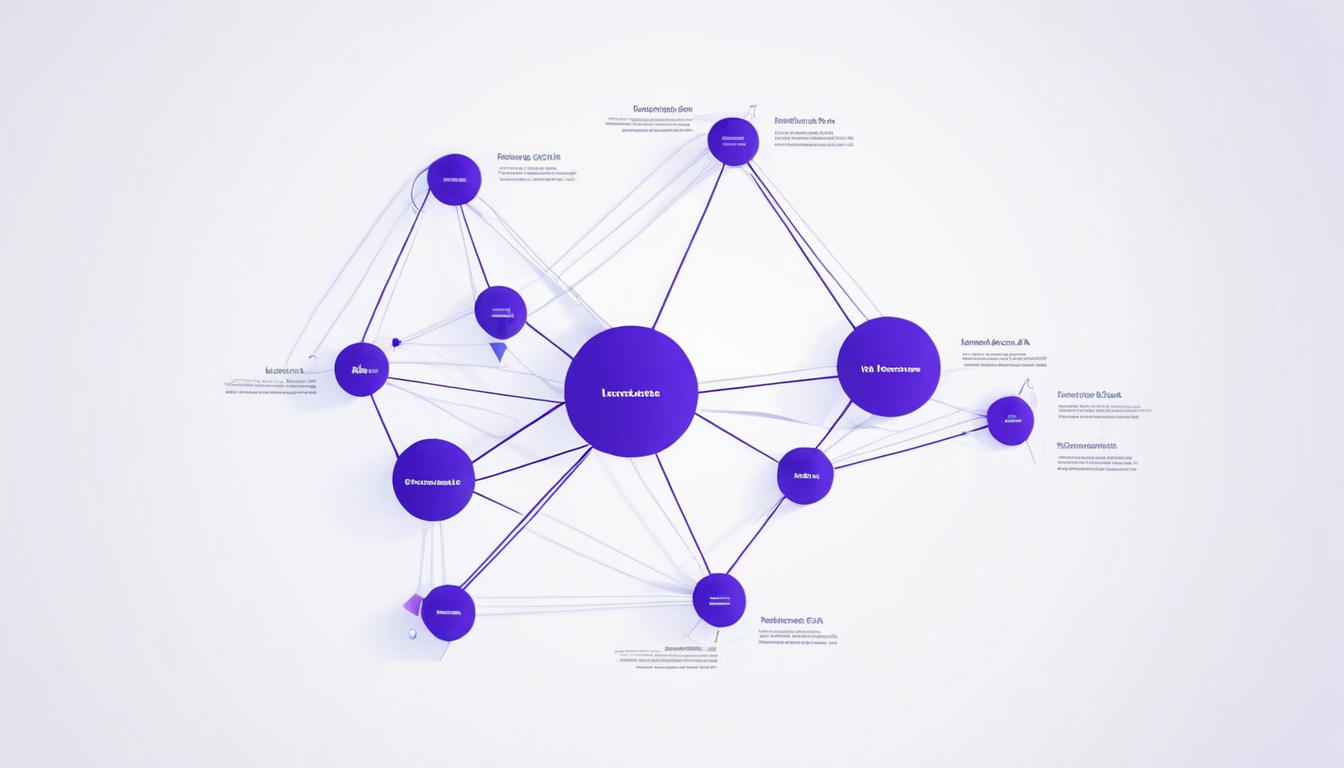
The Impact of Model Security on AI Deployment
Model security is a critical aspect of AI deployment, with businesses needing to ensure that their models are protected against unauthorized access or tampering. This requires the implementation of robust security measures, including encryption, access control, and anomaly detection.
One of the key challenges in model security is the need to balance security with performance and efficiency. AI models require significant processing power and memory resources, which can be compromised by the implementation of robust security measures. This has led to a growing demand for specialized hardware and software solutions that can provide both security and performance.
Another key challenge in model security is the need to ensure that AI models are fair and unbiased. As AI-powered applications become increasingly integrated into various industries, there is a growing need to understand how these systems make decisions and ensure that they are fair and unbiased. This requires the implementation of robust testing and validation procedures to detect potential biases or anomalies.
The Role of Data Governance in AI Deployment
Data governance is a critical aspect of AI deployment, with businesses needing to ensure that their data is accurate, complete, and up-to-date. This requires the implementation of robust data management practices, including data quality control, data validation, and data backup.

The Rise of Edge Computing in AI Deployment
Edge computing is a growing trend in AI deployment, with businesses increasingly looking to deploy AI models at the edge of the network, closer to where data is generated. This approach offers several benefits, including reduced latency, improved performance, and greater security.
One of the key drivers of edge computing is the growing demand for real-time processing and analysis in AI-powered applications. As businesses look to integrate AI into various industries, they need to ensure that their systems can handle large amounts of data in real-time, which requires the deployment of AI models at the edge.
Another key driver of edge computing is the growing concern for security and privacy. As businesses look to deploy AI models across various industries, they need to ensure that their systems are secure and compliant with regulatory requirements, which requires the deployment of AI models at the edge.
The Role of Decentralized Architectures in AI Deployment
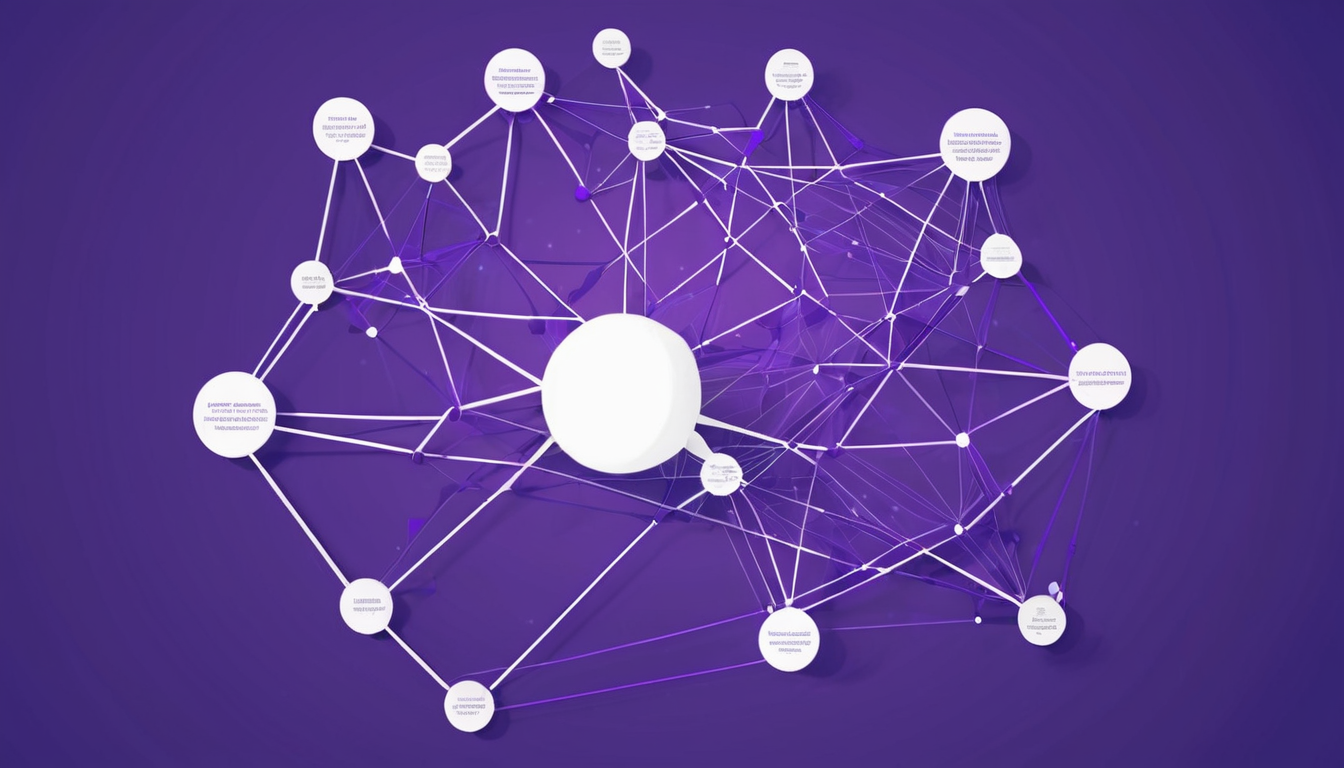
Decentralized architectures are becoming increasingly popular in AI deployment, with businesses looking to deploy AI models across multiple nodes or devices. This approach offers several benefits, including greater scalability, improved fault tolerance, and enhanced security.
The Impact of AI-Powered Chatbots on Customer Experience
AI-powered chatbots are becoming increasingly popular in customer experience applications, offering several benefits, including improved response times, greater accuracy, and enhanced emotional intelligence.
One of the key drivers of AI-powered chatbots is the growing demand for personalized customer experiences. As businesses look to integrate AI into various industries, they need to ensure that their systems can provide tailored responses to individual customers, which requires the deployment of AI models with emotional intelligence.
Another key driver of AI-powered chatbots is the growing concern for customer support. As businesses look to deploy AI models across various industries, they need to ensure that their systems can provide timely and effective support to customers, which requires the deployment of AI models with context-aware responses.
The Role of Emotional Intelligence in AI-Powered Chatbots
Emotional intelligence is a critical aspect of AI-powered chatbots, with businesses needing to ensure that their systems can recognize and respond to emotional cues. This requires the deployment of AI models with advanced natural language processing capabilities and context-aware responses.

Conclusion: Next Steps for AI Professionals and Business Leaders
In conclusion, the shift from model competition to infrastructure competition is a critical trend in the AI industry, driven by the increasing complexity of AI systems and the need for more scalable and efficient deployment models. Large-scale AI companies are evolving into infrastructure providers, enterprise advisors, and platform developers, offering a range of services that cater to the specific needs of businesses deploying AI solutions.
To stay ahead of the competition, AI professionals and business leaders need to understand the latest developments in the AI industry and adapt their strategies accordingly. This requires a deep understanding of infrastructure competition, model security, data governance, edge computing, decentralized architectures, and AI-powered chatbots.
Next steps for AI professionals and business leaders include staying up-to-date with the latest developments in the AI industry, exploring new technologies and services, and adapting their strategies to meet the changing needs of businesses deploying AI solutions. By doing so, they can ensure that their systems are secure, efficient, and effective, providing a competitive edge in the market.