In the world of finance, tokenization is a revolutionary concept that has transformed the way we conduct transactions. Tokenization refers to the process of converting assets into digital tokens, allowing for secure and efficient transfer of ownership. This technology has far-reaching implications in various industries, including banking, trading, and investments. The use of tokens enables streamlined processing, reduced costs, and enhanced security, making it an attractive solution for businesses looking to modernize their operations.
Tokenization: A Key Component of Financial Transactions
Tokenization is the backbone of many financial transactions. By converting assets into digital tokens, tokenization enables secure and efficient transfer of ownership. This process involves the creation of a unique token that represents the asset's value, allowing for seamless transactions between parties.
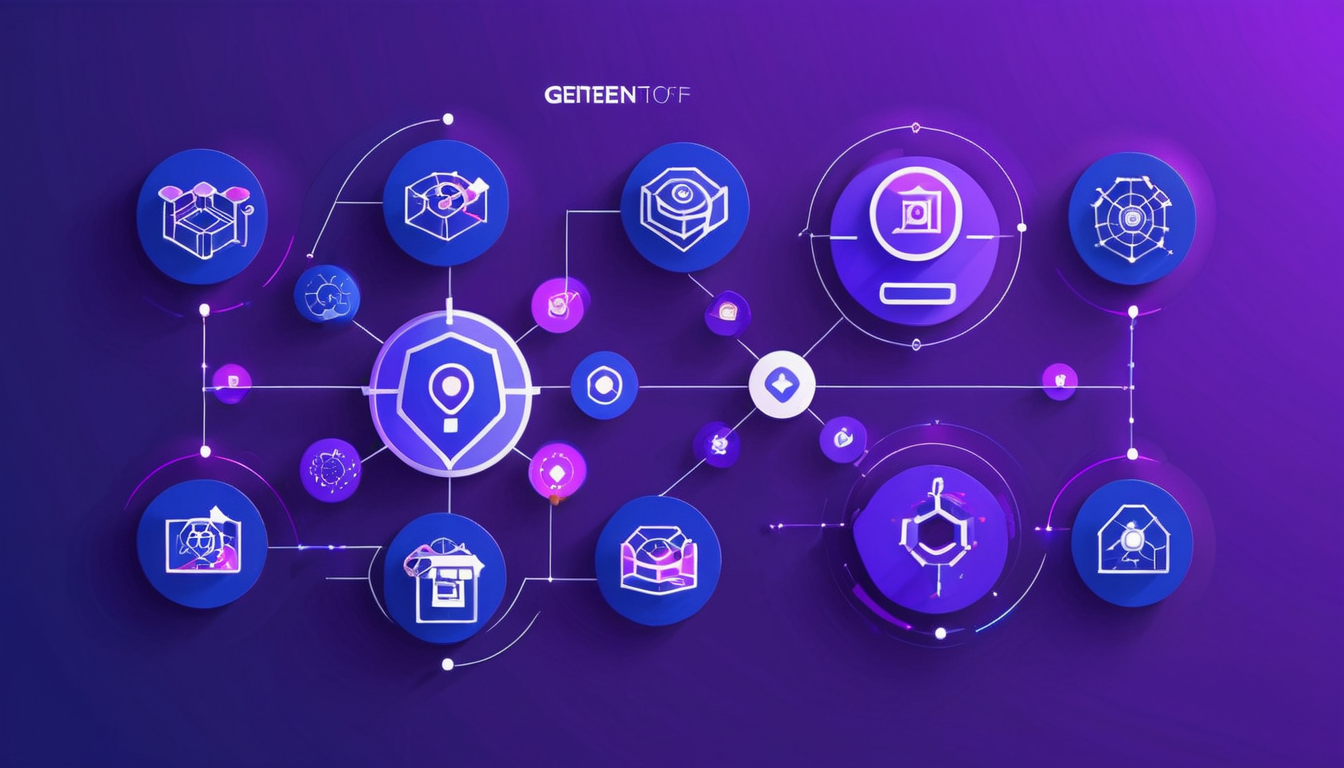
The tokenization process involves several key steps. Firstly, the asset is identified and its value determined. Next, a unique identifier is assigned to the token, allowing for easy tracking and management. Finally, the token is issued and stored in a secure digital repository, ready for use in transactions.
Tokenization has numerous benefits for businesses and individuals alike. By reducing the need for intermediaries, tokenization streamlines processing times and costs. Additionally, tokens provide enhanced security through encryption and authentication protocols, minimizing the risk of data breaches and cyber threats.
Types of Tokens
There are several types of tokens used in financial transactions. The most common type is the security token, which represents ownership of an asset or debt. Another type is the utility token, which provides access to a service or platform. Finally, there's the payment token, which facilitates easy and secure payments.
Each type of token has its unique characteristics and use cases. Security tokens are ideal for representing ownership, while utility tokens offer access to exclusive services. Payment tokens simplify transactions by eliminating the need for intermediaries.
Tokenization in AI Platforms
AI platforms have integrated tokenization to enhance security and efficiency. By leveraging blockchain technology, AI-powered systems can create secure and tamper-proof tokens for data processing and storage.
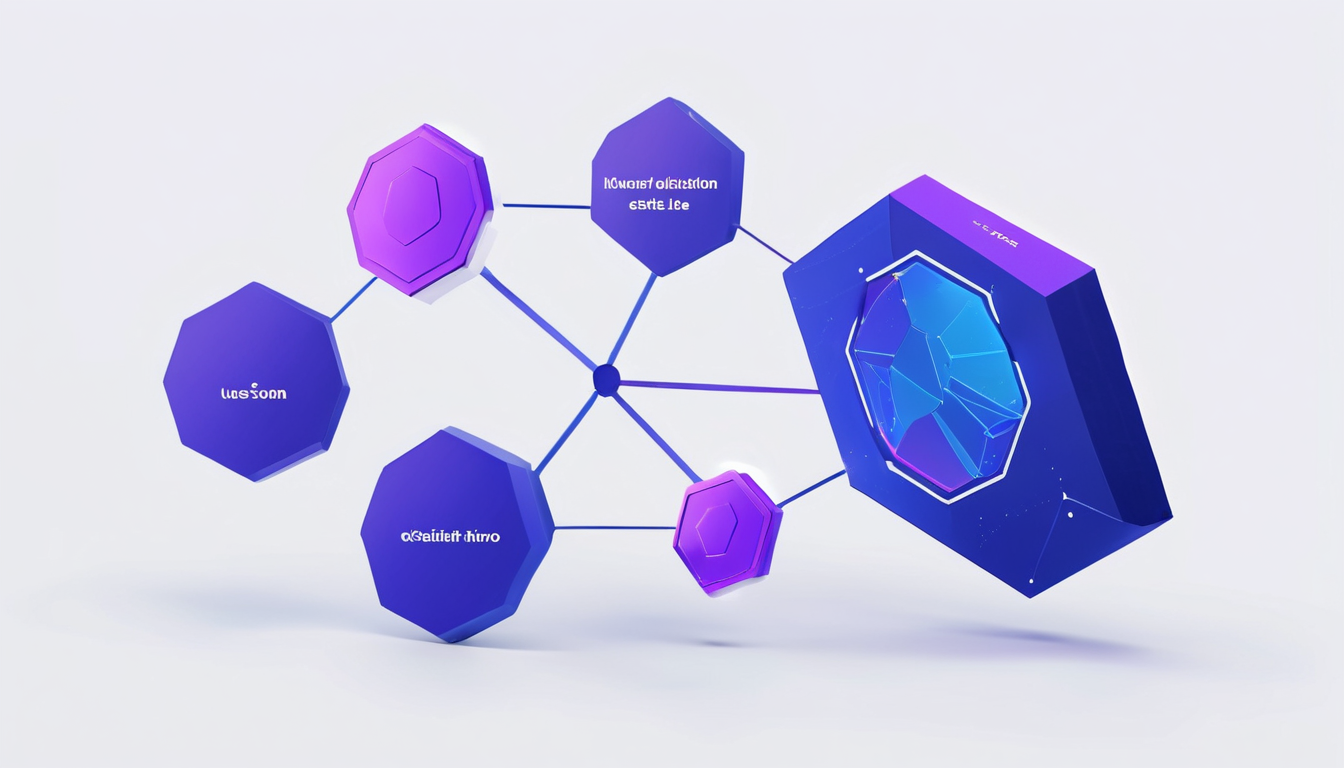
This integration offers numerous benefits. Firstly, tokenization ensures the integrity of data by encrypting and authenticating transactions. Secondly, it streamlines processing times through efficient data management.
Token Consumption Comparison
When comparing different AI models for token consumption, several factors come into play. One key consideration is the model's ability to process transactions in real-time. Another important factor is the storage capacity required for tokens.
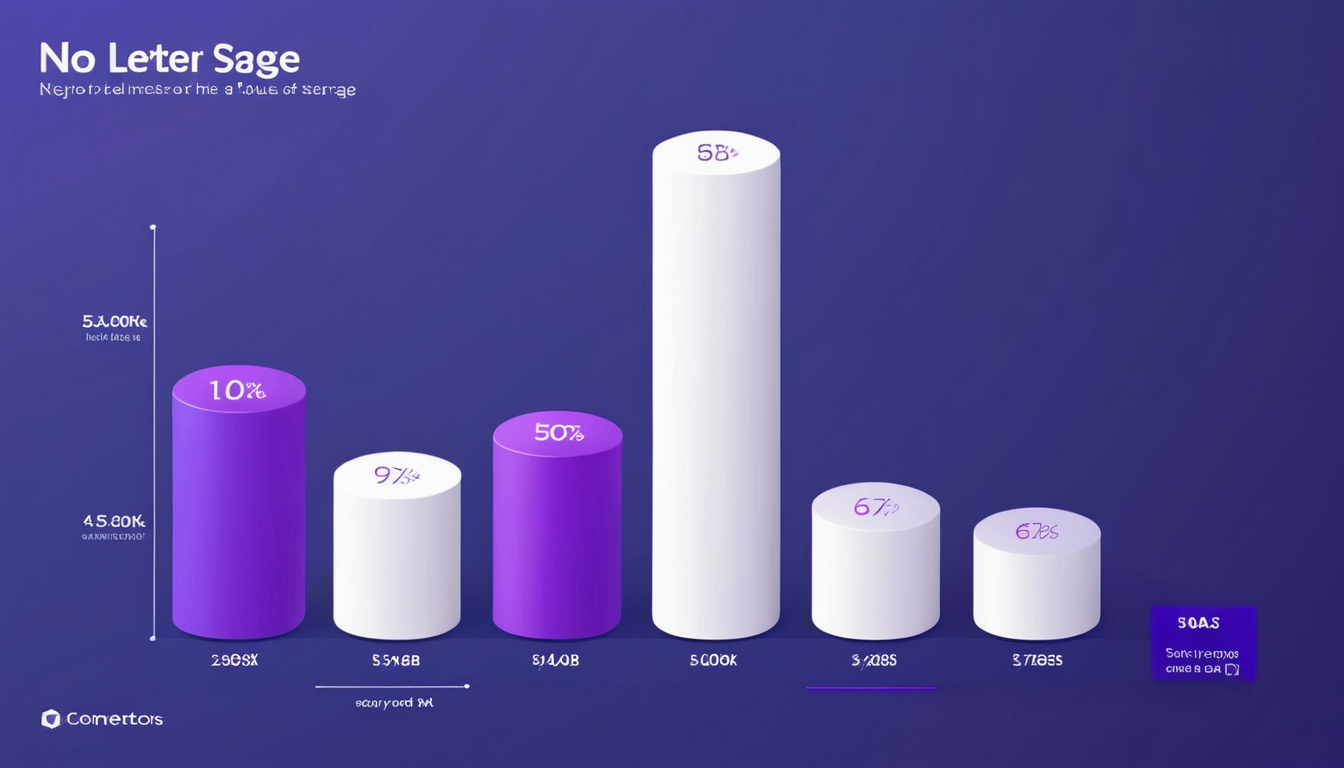
Real-world applications demonstrate the benefits of tokenization in AI. For instance, a recent study showed that companies using token-based authentication experienced an average reduction in processing times by 30%.
Successful Applications of Token-Based Systems
Several successful applications have utilized tokenization to enhance security and efficiency. For example, a leading fintech company implemented token-based authentication for its mobile app, resulting in a 25% decrease in failed login attempts.
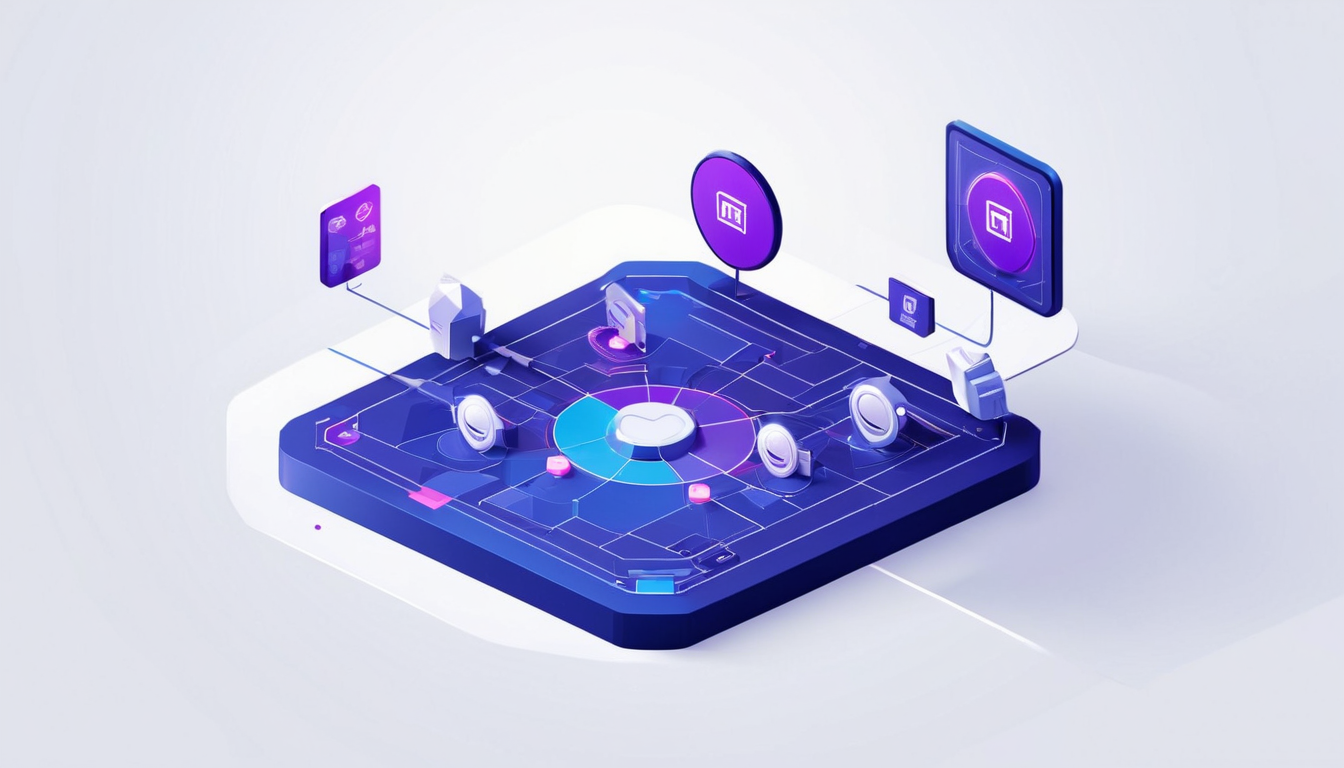
Another notable example is the use of tokens for smart contracts. By integrating token-based systems, companies can automate transactions and reduce administrative costs.
Pricing Models for Token-Based Systems
When implementing a token-based system, pricing models play a crucial role in determining the cost of token usage. Two popular pricing models are tiered pricing and volume discounts.

Tiered pricing involves dividing users into different categories based on their token usage. Volume discounts offer a lower rate for customers who consume a higher number of tokens.
Proxy-Based Tokenization in AI
Proxy-based tokenization is an innovative approach that enhances security and efficiency by leveraging proxy servers. By routing transactions through these intermediaries, companies can reduce the risk of data breaches and improve processing times.
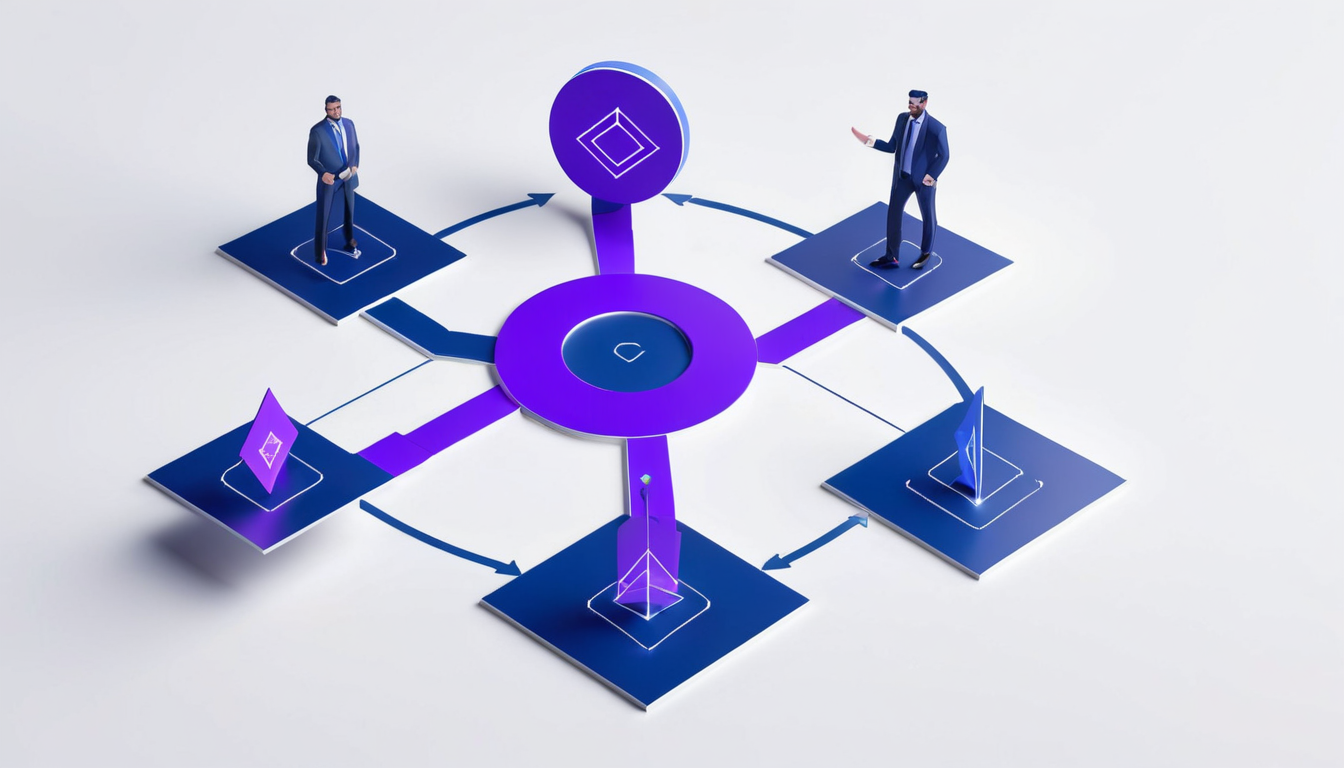
This approach has several benefits. Firstly, it enhances security through the use of encryption and authentication protocols. Secondly, it streamlines processing times by reducing latency.
Conclusion
Tokenization is a revolutionary concept in finance and AI platforms, offering numerous benefits for businesses and individuals alike. By understanding the basics of tokenization, companies can enhance security, efficiency, and processing times.
To implement a successful token-based system, consider factors such as pricing models, proxy-based tokenization, and real-world applications. This guide provides an in-depth introduction to tokenization, offering practical advice for those looking to integrate this technology into their operations.