As a small business owner, optimizing your AI token costs is crucial for maintaining a healthy bottom line. With the increasing adoption of artificial intelligence (AI) in various industries, the cost of using these technologies can quickly add up. In this article, we will delve into the world of AI token pricing models and provide actionable tips on how to calculate, compare, and negotiate AI token costs to ensure you're getting the best value for your business. By implementing the strategies outlined in this guide, small businesses can reduce their AI token expenses and allocate resources more efficiently.
Overview of Common AI Token Pricing Models
There are several AI token pricing models used by providers today. The most common ones include pay-as-you-go, subscription-based, and usage-based pricing. Pay-as-you-go models charge customers based on actual usage, which can be beneficial for small businesses with fluctuating workloads. Subscription-based models, on the other hand, offer a fixed monthly fee for a set amount of tokens or AI processing power.
Usage-based pricing models are often complex and require a deep understanding of the underlying technology to navigate effectively. For instance, some providers charge customers based on the number of transactions processed, while others factor in data transfer speeds and latency. By understanding these differences, small businesses can choose the most cost-effective model for their specific needs.
Step-by-Step Guide on How to Calculate AI Token Costs
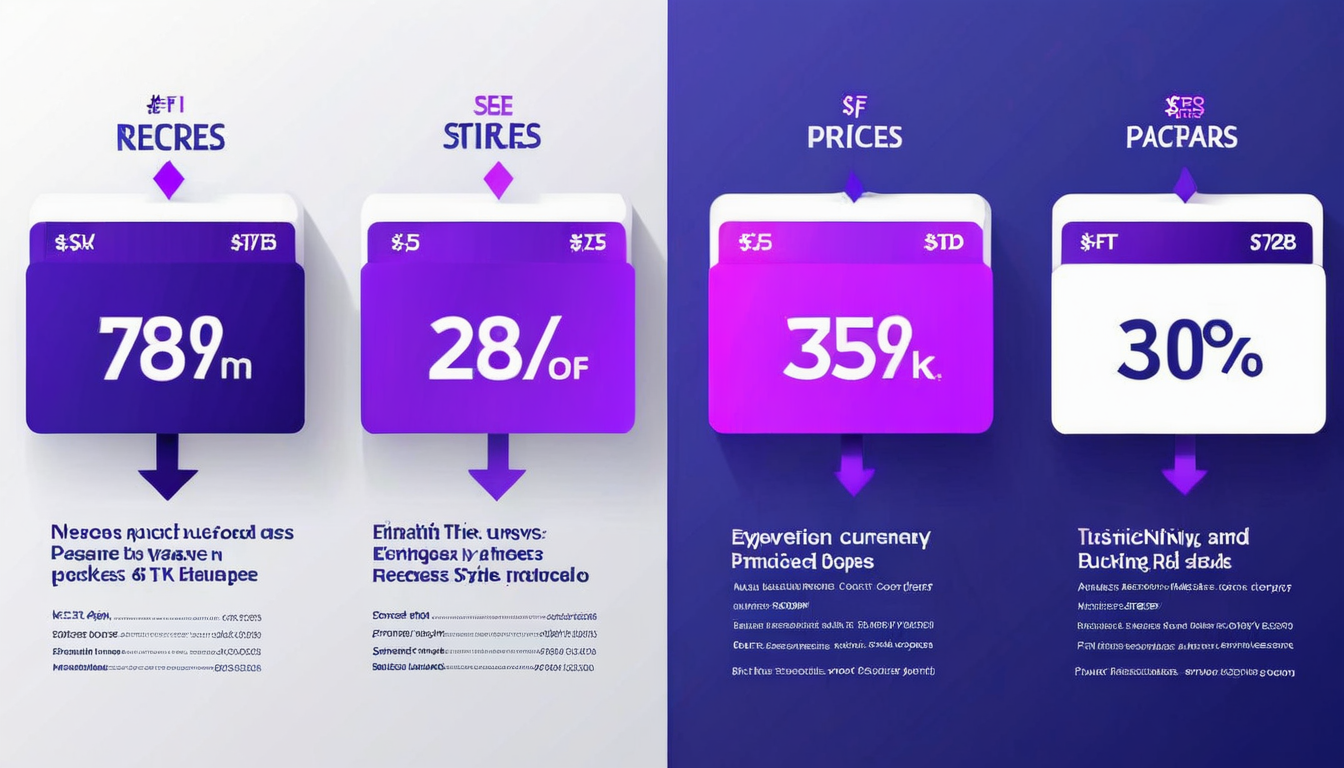
Calculating AI token costs involves several factors, including the number of tokens required for a specific task or project, the pricing model used by the provider, and any applicable discounts or promotions. To begin, determine the total number of tokens needed for your business's current workload. This can be done by multiplying the average daily transactions or data processing requirements by the token cost per unit.
Next, research the pricing models offered by various providers to find the most cost-effective option. Consider factors such as minimum commitment periods, cancellation fees, and any additional costs for overages or underutilization.
Token Pricing Calculator
To simplify the calculation process, you can use an AI token pricing calculator. These tools allow users to input their specific requirements and receive an estimated cost breakdown based on the chosen pricing model.
Best Practices for Negotiating with AI Providers
Negotiation is a critical aspect of securing the best possible deal on AI tokens. To begin, establish a clear understanding of your business's needs and requirements. This includes identifying areas where you can reduce token consumption or optimize processing efficiency.
Next, research the provider's pricing structure and identify any potential discounts or promotions that may be available. Consider bundling services or committing to a longer contract term to negotiate better rates.
Pricing Negotiation Strategies
When negotiating with AI providers, focus on the total cost of ownership (TCO) rather than just the upfront costs. This includes factoring in any additional expenses for overages or underutilization, as well as potential discounts for long-term commitments.

Real-World Examples of Successful AI Cost Optimization Strategies
Several businesses have successfully optimized their AI token costs using the strategies outlined in this guide. For instance, a small e-commerce firm reduced its AI token expenses by 30% by switching to a pay-as-you-go model and implementing data compression techniques.
Another example is a healthcare provider that negotiated a customized pricing agreement with an AI vendor, resulting in a 25% reduction in costs over the course of a year. By understanding their specific needs and requirements, these businesses were able to secure better rates and optimize their AI token usage.

Conclusion
Optimizing AI token costs is a critical aspect of managing expenses for small businesses. By understanding the various pricing models and strategies outlined in this guide, business owners can make informed decisions about their AI investments.