As the AI landscape continues to evolve, understanding GPT token pricing has become a vital skill for developers and enthusiasts alike. With the rise of large language models like GPT-3, the concept of tokens has become increasingly complex. In this article, we'll delve into the world of GPT token pricing, explaining key concepts, providing concrete examples, and offering practical advice for navigating this intricate landscape.
What are GPT Tokens?
GPT tokens represent a unit of processing power in the context of AI models. They measure the computational resources required to generate text, answer questions, or perform other tasks. Tokens are not directly related to the number of characters or words used; instead, they reflect the complexity of the task and the model's ability to process it.
To understand token pricing, it's essential to grasp the concept of input/output and cached input. Input refers to the data provided to the model for processing, while output is the resulting text or response. Cached input, on the other hand, represents pre-processed information that can be reused to improve efficiency.
Input/Output: The Token Pricing Equation
When a user interacts with an AI model, the input is tokenized into individual units. Each unit represents a specific task or operation required to generate output. The number of tokens consumed depends on factors like model complexity, input length, and computational requirements.
Pricing Tiers and Token Costs
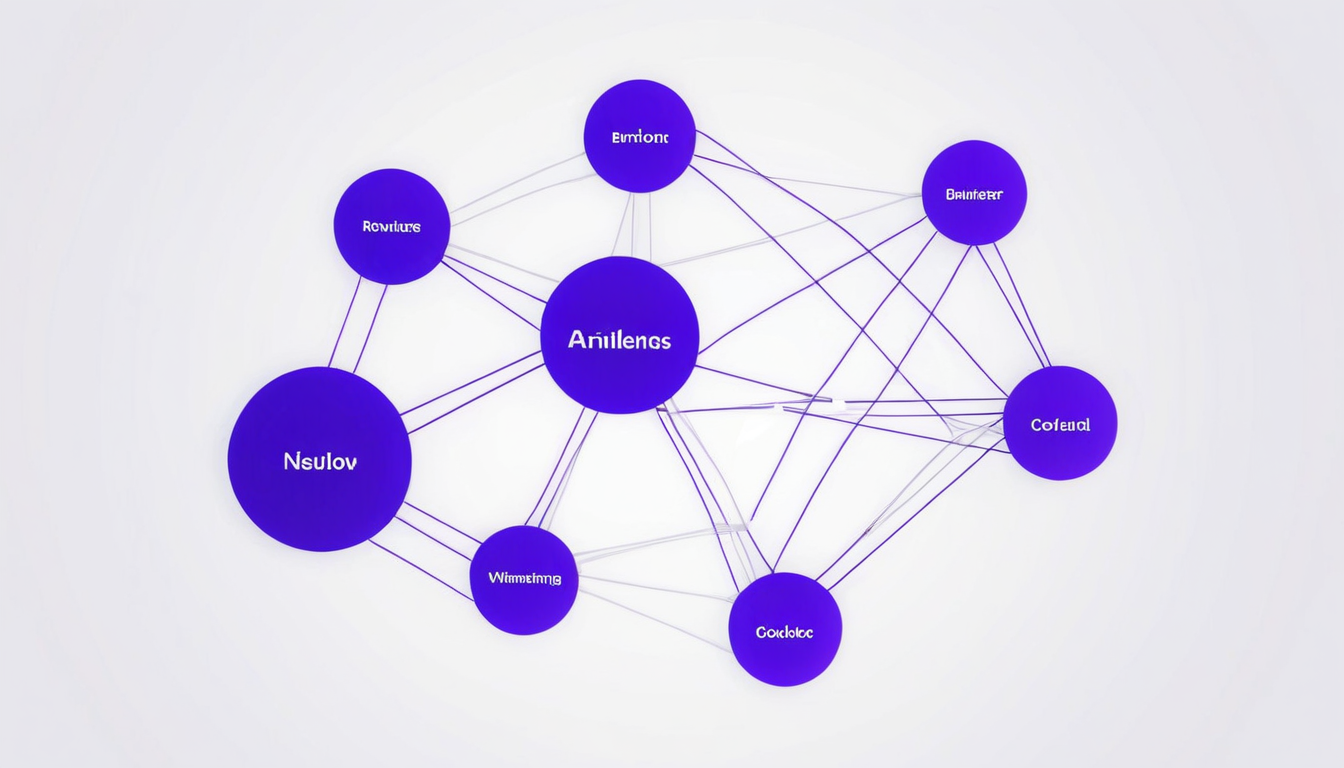
OpenAI, the creator of GPT-3, offers a tiered pricing system based on token costs. Each tier corresponds to a specific number of tokens per dollar spent. Understanding these tiers is crucial for optimizing token usage and minimizing costs.
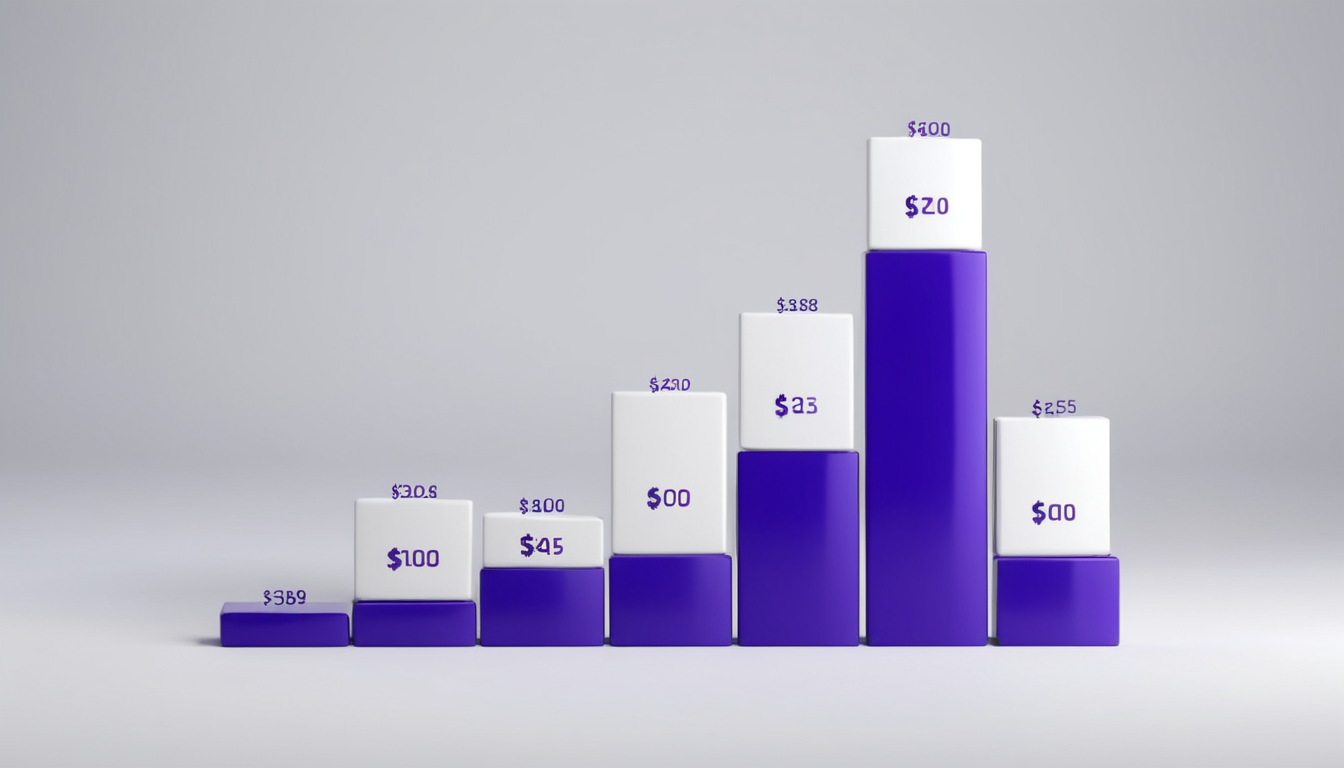
For example, in the 'Optimal' tier, users receive 7 million tokens per month for $0.030 per thousand tokens. This means that if a user requires 10,000 tokens to complete a task, they'll incur a cost of approximately $3.
To give you a better idea of token costs, let's consider an example with real numbers. Suppose we want to generate a 500-word article using GPT-3. With the Optimal tier, this would require approximately 10,000 tokens, costing around $30.

Cached Input and Efficiency
Cached input plays a crucial role in improving efficiency by reducing the number of tokens required for subsequent tasks. When a model caches information, it can reuse this pre-processed data to generate output more quickly.
For instance, if we use cached input to generate an article on a specific topic, the next time we request an article on the same subject, the model will require fewer tokens due to the existing knowledge base.
Proxy Services and Token Optimization
To optimize token usage and reduce costs, developers often employ proxy services. These intermediaries help mask IP addresses, preventing rate limiting and enabling more efficient use of tokens.

Conclusion: Mastering GPT Token Pricing
Mastering GPT token pricing requires a deep understanding of input/output, cached input, and token costs. By grasping these concepts and leveraging proxy services, developers can optimize their experience and reduce costs.
To get started with GPT-3 and begin optimizing your token usage, follow these steps: 1) Familiarize yourself with the pricing tiers and calculate your estimated costs. 2) Explore proxy services to mask IP addresses and optimize token consumption.
By mastering GPT token pricing, you'll unlock a more efficient and cost-effective AI experience. Take the first step today by optimizing your token usage and unlocking the full potential of large language models like GPT-3.