When it comes to leveraging artificial intelligence (AI) technologies, one of the most significant concerns for developers and researchers is the cost of using these tools. AI token pricing models vary across different platforms, making it challenging to determine which option is most cost-effective. In this article, we will explore the differences in AI token pricing across various platforms and provide insights on how to optimize your costs.
Input/Output Token Pricing Model
The input/output token pricing model is a common pricing strategy used by most AI platforms. This model charges users based on the number of tokens consumed during processing, with each token representing a specific unit of computational power. The cost of using this model can be calculated as follows: Total Cost = (Number of Tokens Consumed) x (Token Price per Unit). For example, if you consume 10,000 tokens at a price of $0.05 per token, your total cost would be $500.
While the input/output token pricing model is widely used, it can be inflexible and may not account for various factors that can impact costs, such as cached inputs or prompt caching. Let's take a closer look at these additional costs and how they can affect your overall expenses.
Cached Inputs and Prompt Caching
Some AI platforms consider cached inputs or prompt caching as additional costs when calculating the total cost of using their services. Cached inputs refer to preprocessed data that has already been stored in memory, while prompt caching involves storing frequently asked questions or prompts to reduce the need for repeated processing. These costs can add up quickly, especially if you're working on large-scale projects.

Batch Asynchronous Discounts
Batch asynchronous discounts are another way that AI platforms can help reduce costs. By processing multiple tasks in parallel, users can take advantage of economies of scale and lower their overall expenses. For example, if you're running a batch processing task that requires 100,000 tokens, using a platform with batch asynchronous discounts could save you up to 50% on your total cost.
Long Contexts and Super Long Prompts
Additional Fees for Special Cases
While most AI platforms use the input/output token pricing model, some may have special pricing models or additional fees for handling long contexts or super long prompts. These cases can be more computationally intensive and require specialized processing, resulting in higher costs.

Choosing the Right AI Platform
With so many AI platforms available, choosing the right one can be overwhelming. When evaluating options, consider factors such as pricing models, token costs, and additional fees. You should also assess the platform's performance, scalability, and support for your specific needs.
To make an informed decision, let's compare two popular AI platforms: Option A and Option B. We'll examine their pricing models, token costs, and additional fees to determine which option is most cost-effective for a given use case.
Comparison of Two AI Platforms
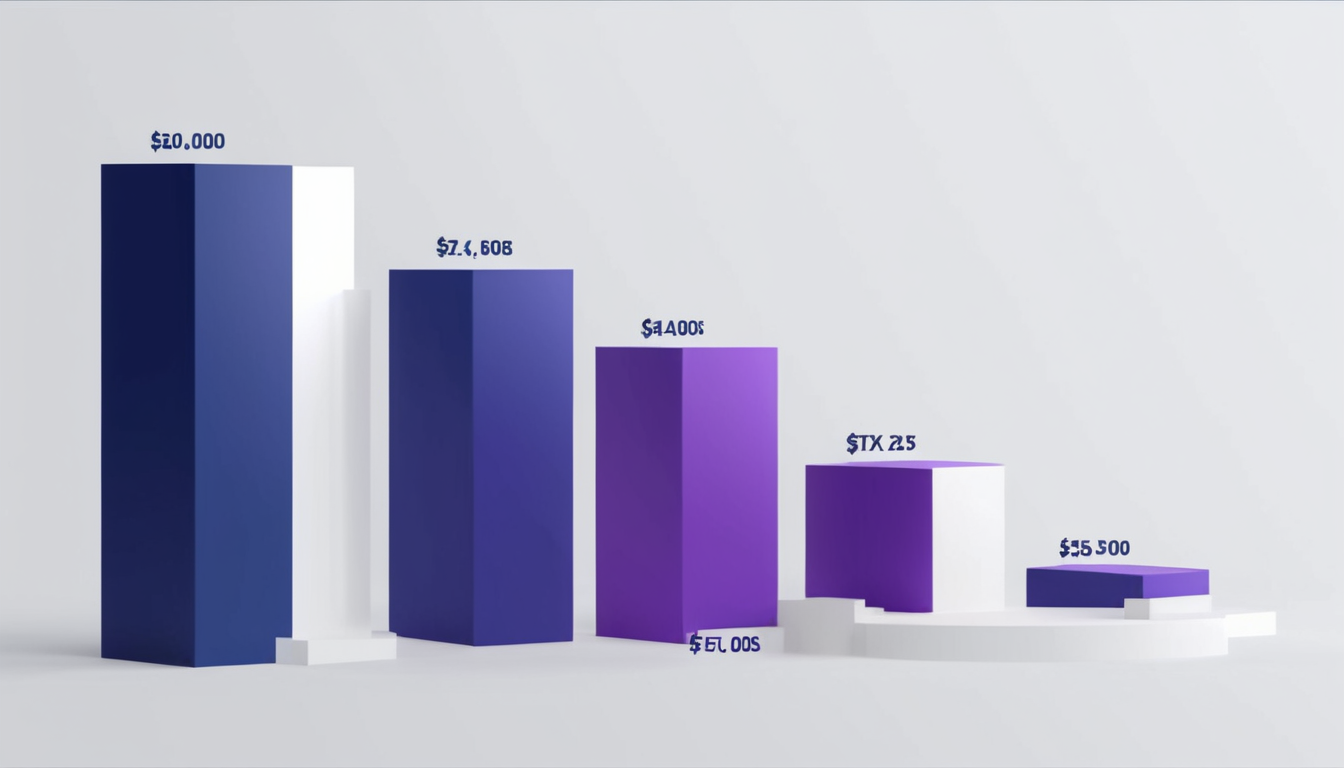
Assuming you're working on a project that requires 100,000 tokens, let's compare the costs of using Option A versus Option B. Based on their pricing models and token costs, we can calculate the total cost for each option.

Conclusion
In conclusion, understanding AI token pricing models is crucial for optimizing costs and ensuring the efficient use of AI technologies. By exploring different platforms, evaluating their pricing models, and considering additional fees, you can make informed decisions about which platform to choose for your project.
We hope this article has provided valuable insights into the world of AI token pricing models. Whether you're a seasoned developer or just starting out with AI technologies, we encourage you to explore different platforms and find the one that best fits your needs and budget.
Remember to carefully evaluate each platform's pricing model, token costs, and additional fees before making a decision. With this knowledge, you can unlock the full potential of AI technologies and achieve your goals without breaking the bank.