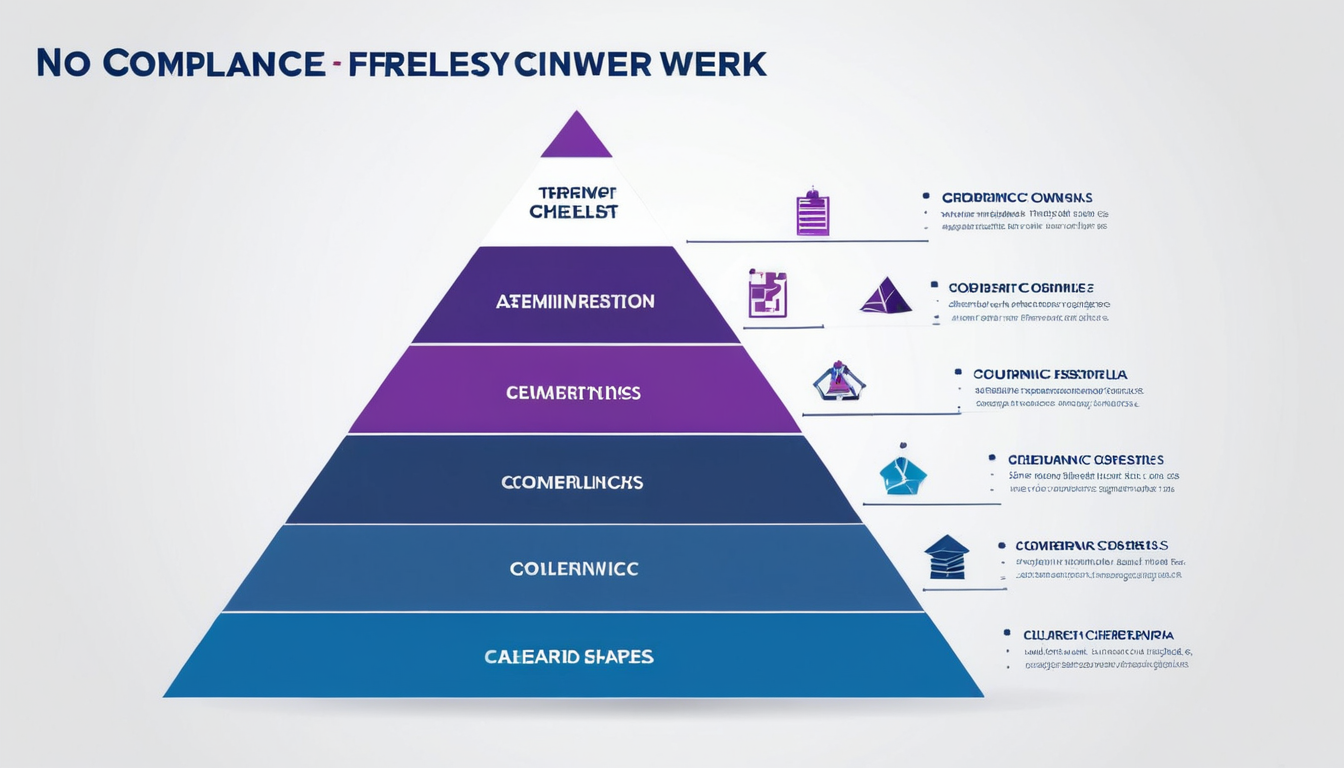
The use of artificial intelligence (AI) technologies is becoming increasingly prevalent among Taiwanese companies. However, as businesses leverage AI APIs to drive innovation and efficiency, they must also be aware of the legal risks and responsibilities associated with their use. This article will delve into the intersection of AI technology and Taiwanese law to understand potential liabilities and compliance requirements.
Data Privacy Breaches: A Growing Concern for Taiwan Companies
Taiwanese companies using AI APIs may be liable for data privacy breaches, which can result in significant financial penalties and reputational damage. The Personal Data Protection Act (PDPA) of 2015 requires organizations to implement measures to protect personal data, including obtaining consent from individuals before collecting or processing their information.
To mitigate this risk, companies should implement robust data protection policies and procedures, such as encrypting sensitive data and conducting regular security audits. Furthermore, they must ensure that AI API providers have adequate data protection measures in place to prevent unauthorized access or disclosure of personal information.
For instance, a Taiwanese e-commerce company using an AI-powered customer segmentation tool may be responsible for ensuring that the vendor has implemented proper data encryption and secure storage practices. Failure to do so could result in a data breach, leading to reputational damage and potential fines.
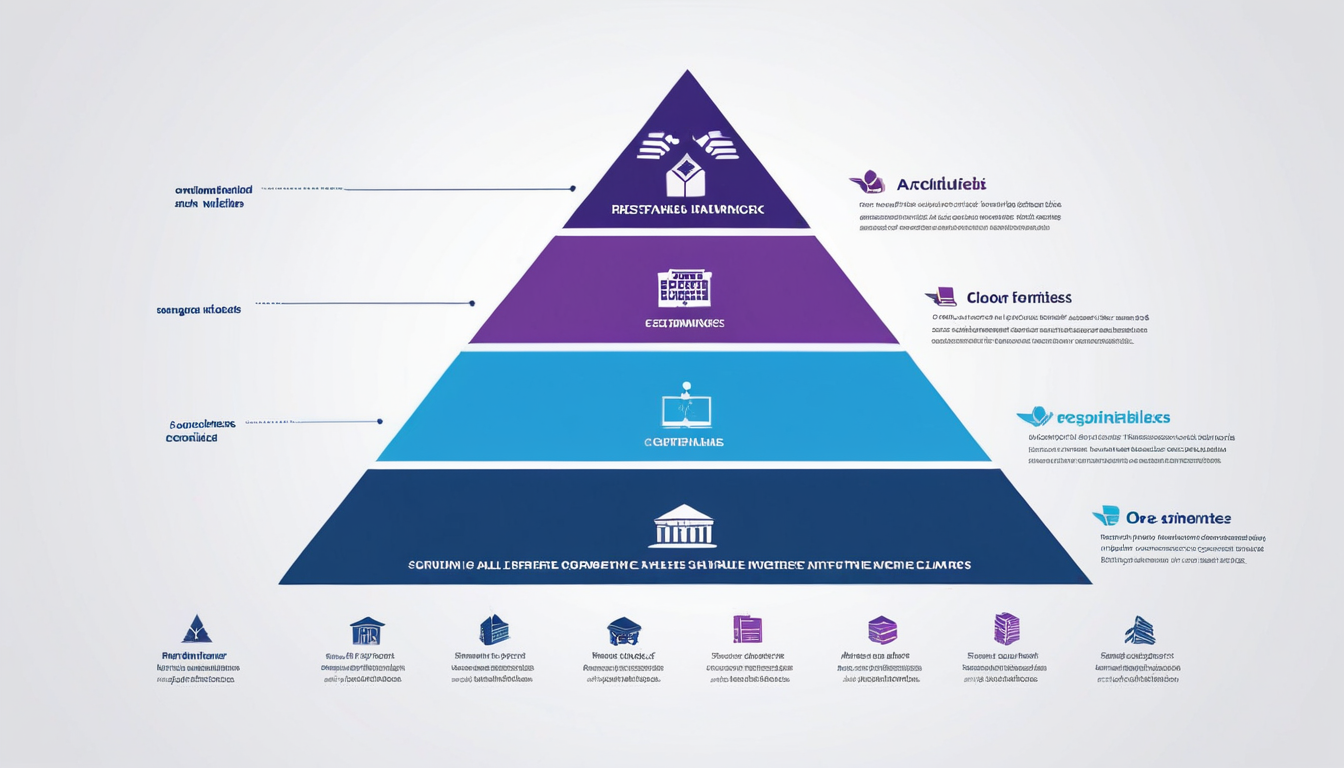
Copyright Infringement Risks When Using AI-Generated Content
Taiwanese companies using AI to generate content, such as text or images, must be aware of copyright infringement risks. If the generated content incorporates copyrighted materials without permission, the company may be liable for copyright infringement.
To minimize this risk, companies should ensure that AI API providers have implemented adequate copyright clearance and monitoring processes. Furthermore, they should establish clear guidelines for using copyrighted materials in AI-generated content, such as obtaining necessary permissions or using public domain resources.
For example, a Taiwanese advertising agency using an AI-powered image generation tool may be responsible for ensuring that the vendor has cleared all necessary copyrights and trademarks before generating images for client campaigns. Failure to do so could result in copyright infringement claims.
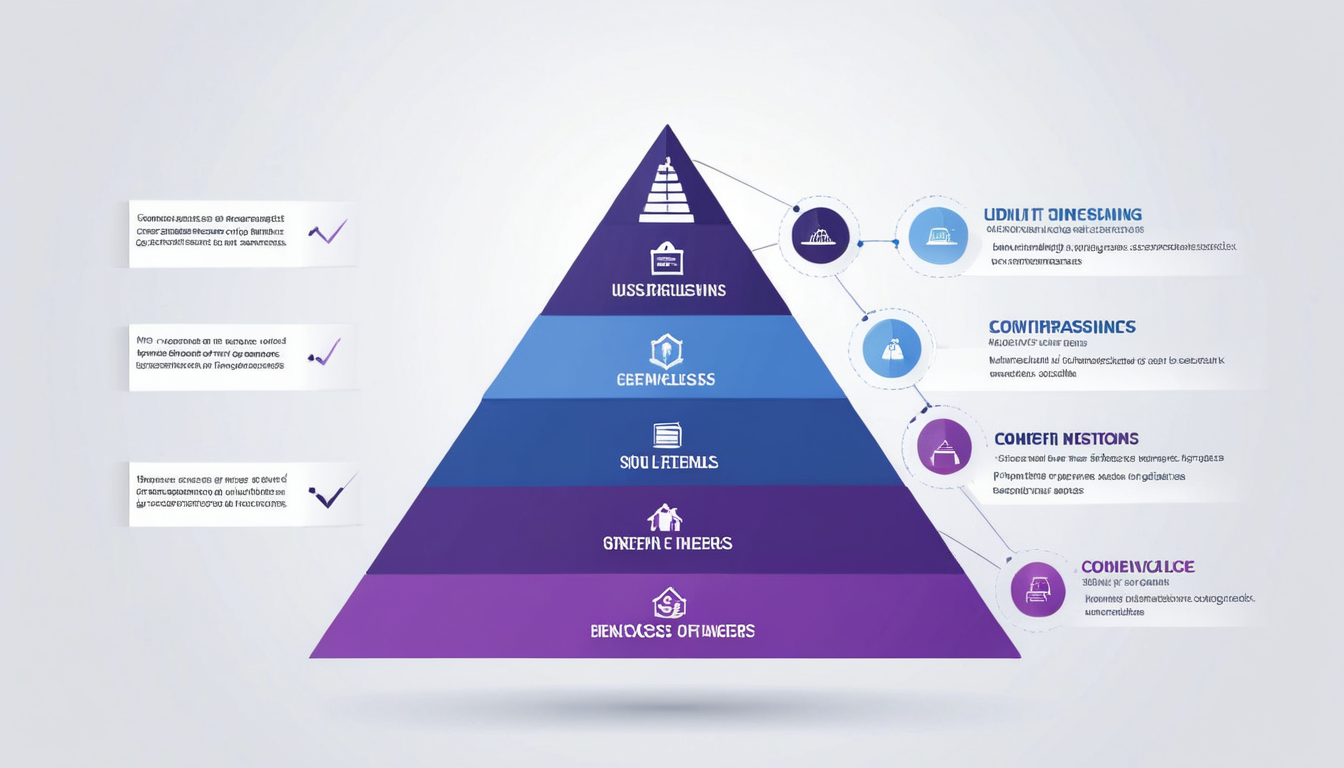
Compliance with Advertising and Consumer Protection Regulations
Taiwanese companies using AI APIs for advertising purposes must comply with relevant regulations, such as the Fair Trade Act and the Consumer Protection Act. This includes ensuring that AI-generated advertisements do not mislead or deceive consumers.
To ensure compliance, companies should establish clear guidelines for AI API use in advertising, including procedures for reviewing and approving generated content. They must also educate employees on relevant regulations and the importance of transparency in AI-driven marketing campaigns.
Suppliers' Terms and Conditions: Implications for Liability
Taiwanese companies using AI APIs must carefully review suppliers' terms and conditions to understand their liability obligations. Suppliers may shift responsibility for data breaches, copyright infringement, or other issues to the company using their API.
To mitigate this risk, companies should negotiate clear contract terms with suppliers, including provisions for liability caps and indemnification. They must also regularly review and update contracts to ensure alignment with evolving regulatory requirements.
Employee Use of AI APIs: Unforeseen Consequences and Mitigation Strategies
Taiwanese companies using AI APIs must also consider the potential risks associated with employee use, such as unauthorized access or misuse. To mitigate this risk, companies should establish clear guidelines for AI API use among employees, including procedures for reporting suspicious activity.
Regular training and education programs can help employees understand AI API capabilities and limitations, reducing the likelihood of unforeseen consequences.

Conclusion: Taking Proactive Steps to Manage Legal Risks with AI APIs
In conclusion, Taiwanese companies using AI APIs must be aware of the legal risks and responsibilities associated with their use. By understanding potential liabilities and compliance requirements, companies can take proactive steps to mitigate these risks.
This article has highlighted key areas of concern, including data privacy breaches, copyright infringement, advertising regulations, suppliers' terms and conditions, and employee use of AI APIs. Companies should prioritize education and awareness among employees and regularly review and update policies and procedures to ensure alignment with evolving regulatory requirements.
By taking proactive steps to manage legal risks associated with AI API use, Taiwanese companies can drive innovation and efficiency while minimizing potential liabilities and reputational damage.